
1. Introduction: The Interplay of Chance and Strategy in Modern Gaming
Modern gaming is a dynamic blend of unpredictability and deliberate decision-making. At its core, chance refers to elements of randomness that influence game outcomes, such as dice rolls or card shuffles, while strategy involves planned actions and choices that shape the player’s journey. These concepts are central not only to traditional board games but also to the complex digital titles that define contemporary entertainment.
Understanding how chance and strategy interact is vital for both players seeking to improve their skills and developers aiming to craft engaging experiences. Striking a balance between these forces ensures games remain fair, exciting, and rewarding. This article explores this interplay through theoretical insights and concrete examples, illustrating how modern games leverage these elements to captivate audiences.
2. Theoretical Foundations: How Chance and Strategy Interact in Game Design
a. The role of randomness in engaging gameplay experiences
Randomness injects unpredictability, keeping players intrigued and eager to discover outcomes. For example, in digital card games, RNG (Random Number Generators) determine card draws, creating varied experiences that prevent repetition and encourage adaptive strategies.
b. Strategic decision-making as a means of player agency
While chance influences what players receive, strategy determines how they respond. Choices like resource management, positioning, or timing empower players to exert control, often turning luck into opportunity. Chess exemplifies pure strategy, but many modern games combine it with elements of randomness to enhance complexity.
c. Balancing randomness and control to maintain fairness and excitement
Effective game design involves calibrating these forces. Too much randomness can frustrate, while excessive control may lead to predictability. Developers often implement algorithms that balance these aspects, ensuring that skill and luck both influence success without overshadowing each other.
3. Educational Perspective: Why Understanding Chance and Strategy Matters for Players
a. Enhancing player skills through strategic choices
By analyzing mechanics and probabilities, players develop better decision-making skills. Recognizing patterns and understanding odds enable more informed choices, leading to improved performance across various game genres.
b. Recognizing randomness to manage expectations
Players learn to differentiate between skill and luck, reducing frustration during unfavorable streaks. An awareness of randomness fosters patience and resilience, essential traits for consistent success.
c. Developing critical thinking through game analysis
Examining how chance influences outcomes and how strategies can mitigate risk encourages analytical thinking. This analytical mindset can extend beyond gaming into real-world decision-making scenarios.
4. Modern Examples of Chance and Strategy in Action
a. Traditional games versus digital adaptations
Classical games like poker and Monopoly rely heavily on chance, yet skillful play can turn luck into advantage. Digital adaptations introduce sophisticated RNG systems, allowing for more nuanced control and strategic depth, exemplified in titles like digital card games and puzzle RPGs.
b. Case study: Pirots 4 – A comprehensive illustration
i. The role of collector birds and gem collection mechanics
In Pirots 4, players gather collector birds and amass gems, which are crucial for progression. The randomness of gem drops adds unpredictability, while strategic placement and timing influence collection efficiency.
ii. The impact of gem upgrade levels on gameplay strategy
Upgrading gems enhances their effects, requiring players to decide when to invest resources. Higher upgrade levels open new strategic options, emphasizing the importance of risk management and resource allocation.
iii. How grid expansion via corner bombs introduces strategic positioning
Expanding the game grid through corner bombs involves both chance (bomb outcomes) and strategic placement. Thoughtful positioning can maximize gem collection and minimize risks, showcasing a blend of luck and skill.
iv. Space portals as elements of chance and strategic choice
Space portals teleport players to different locations, with outcomes influenced by random factors yet allowing strategic planning for optimal positioning. This mechanic exemplifies how chance and strategy intertwine to enrich gameplay.
c. Other contemporary titles exemplifying the balance
Games like Genshin Impact or Candy Crush incorporate RNG for loot or level layouts, paired with strategic elements like team composition or move sequences, demonstrating the enduring relevance of this balance.
5. Non-Obvious Dimensions: How Chance and Strategy Influence Player Psychology and Engagement
a. The thrill of unpredictability and risk management
Unpredictable outcomes generate excitement, encouraging players to take calculated risks. The anticipation of random events can produce a dopamine rush, reinforcing engagement.
b. Strategies to mitigate frustration caused by randomness
Players often develop layered strategies, such as saving resources or employing backup plans, to cope with unfavorable luck. Developers also introduce features like adjustable difficulty or fair RNG algorithms to enhance enjoyment.
c. The psychological appeal of mastering chance-influenced mechanics
Mastery over chance elements fosters a sense of achievement. Over time, players recognize patterns and improve their decision-making, turning randomness into a manageable component of skill.
6. Designing for Balance: How Developers Shape the Chance-Strategy Dynamic
a. Algorithms and randomness algorithms (RNG)
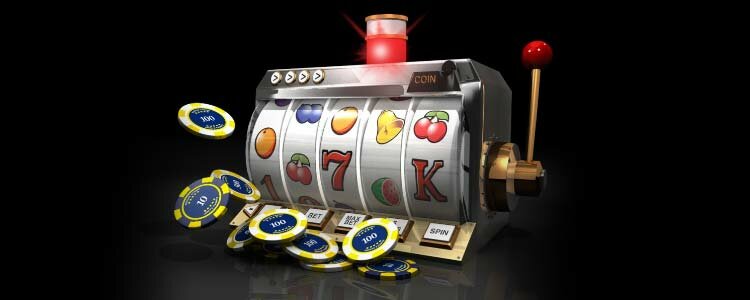
Modern games employ RNG algorithms designed to ensure fairness and prevent manipulation. For example, in digital slot machines, weighted probabilities are calibrated to balance payout rates with player engagement.
b. Incorporating strategic layers within chance-based frameworks
Developers add strategic choices that influence outcomes, such as skill-based mini-games or decision points that modify RNG results, creating a layered experience. This approach maintains excitement while rewarding skillful play.
c. Case example: Adjusting gem upgrade payout structures for balanced risk-reward
By tweaking the probability of successful upgrades and the rewards for higher levels, designers ensure players face meaningful choices that balance risk with potential gain, exemplifying nuanced game balancing.
7. The Evolution of Chance and Strategy in the Digital Age
a. Advancements in technology and their impact on game randomness
High-quality RNG systems and cloud-based servers enable more complex and fair randomness, reducing predictability and manipulation in online games.
b. The rise of adaptive strategies enabled by data analytics
Using player data, developers create games that adapt difficulty and mechanics in real-time, tailoring the balance of chance and strategy to individual players, boosting engagement and retention.
c. Future trends: Personalization and dynamically balanced gameplay environments
Emerging technologies suggest a future where games dynamically adjust their randomness and strategic depth based on player behavior, offering uniquely tailored experiences that continually challenge and entertain.
8. Conclusion: The Symbiotic Relationship of Chance and Strategy in Shaping Player Experience
«The most compelling games are those that seamlessly blend luck and skill, creating experiences where players feel both challenged and rewarded.»
Understanding the delicate balance between chance and strategy enriches both gameplay and game design. Modern titles, exemplified by innovations in mechanics and balancing, demonstrate how this interplay not only entertains but also fosters critical skills. For those interested in exploring these principles further, examining comprehensive guides such as bbloody p1rots 4 nerfed or what can offer valuable insights into how chance and strategy evolve within complex gaming ecosystems.
As players and designers alike continue to navigate this nuanced landscape, appreciating the interconnectedness of luck and skill remains essential for creating engaging, fair, and educational gaming experiences.