

The transformation of casinos from ancient gaming to modern extravaganza
The Origins of Gambling
The history of gambling dates back thousands of years, with the earliest evidence found in ancient China around 2300 BC. Archaeological discoveries revealed rudimentary games of chance involving dice and betting systems, hinting at a society intrigued by luck and fortune. Ancient civilizations, such as the Egyptians and Romans, also embraced gambling, incorporating it into their culture, often associating it with luck and destiny, thereby elevating its social significance. Today, many players seek the best online pokies nz available, reflecting the enduring appeal of chance and excitement.

In ancient Rome, for instance, gambling became a popular pastime among the elite and commoners alike, with games ranging from dice to betting on gladiatorial contests. This acceptance of gambling laid the groundwork for future gaming establishments. As cities developed, so did the concept of dedicated gambling venues. The Romans established the first organized betting houses, where patrons could place wagers on a variety of events, creating a more formal structure for the burgeoning gaming culture.
The ancient Greeks took gambling a step further by introducing games such as knucklebones, which were precursors to modern-day dice games. The Greek philosophers often debated the moral implications of gambling, showcasing a blend of entertainment and ethical consideration that continues to surface in discussions about gambling today. Thus, from its origins, gambling has morphed into a multifaceted phenomenon, reflecting societal values and the human desire for excitement and reward.
The Evolution of Casinos Through the Ages
The concept of casinos began to crystallize during the Renaissance in Europe, with the establishment of dedicated gaming houses in cities like Venice and Monte Carlo. These venues offered a variety of games, including card games, dice games, and roulette, attracting wealthy patrons who sought lavish entertainment. The opulent architecture and luxurious amenities of these early casinos set a precedent for the glamorous gaming experiences we associate with modern casinos today.
As the popularity of casinos surged in the 19th century, so did their influence on society. In places like Paris, gambling houses became centers of social life, where the elite mingled and networked. This era marked the birth of the casino as a place not only for gambling but also for socializing, dining, and entertainment. The integration of live performances, such as music and dance, added to the allure, creating a holistic experience that appealed to all the senses.
The United States saw a different evolution, particularly with the establishment of Las Vegas as the gambling capital of the world in the mid-20th century. The legalization of gambling in Nevada transformed the landscape, leading to the construction of grand resorts that combined luxury hotels with expansive gaming floors. This era cemented the casino’s role as a multi-faceted entertainment hub, paving the way for the extravagant casinos we see today, characterized by themed environments, elaborate shows, and immersive experiences.
The Technological Revolution in Gaming
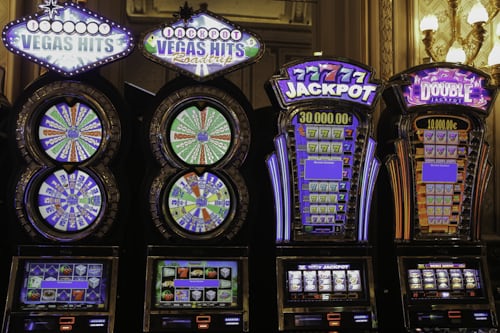
The rise of technology has profoundly transformed the casino experience, beginning in the late 20th century with the introduction of electronic gaming machines. These innovations revolutionized the way people played, offering a faster-paced, interactive experience compared to traditional table games. Slot machines quickly became a staple in casinos, attracting a wider audience, including those who may not have been inclined to participate in classic gambling.
As the internet became more prevalent, online casinos emerged, providing a new frontier for gaming. Players could now enjoy their favorite games from the comfort of their homes, which led to an explosion in the popularity of virtual gambling platforms. These online casinos offer a wide variety of games, enticing bonuses, and a level of convenience previously unheard of, reaching audiences globally and reshaping the gambling landscape.
Moreover, advancements such as virtual reality (VR) and augmented reality (AR) are poised to take the casino experience even further. By immersing players in realistic 3D environments, these technologies promise to create engaging experiences that mimic the atmosphere of a physical casino. As these innovations continue to evolve, the future of casinos looks to be an extraordinary blend of technology and traditional gaming, appealing to both new and seasoned players alike.
The Cultural Impact of Casinos
Casinos have significantly influenced culture, serving as a backdrop for countless films, literature, and music. They often symbolize glamour, risk, and the highs and lows of fortune, capturing the imagination of people around the world. Iconic films like «Casino Royale» and «Ocean’s Eleven» portray the glitzy lifestyle associated with gambling, reinforcing the cultural narrative around casinos as places of adventure and intrigue.
In addition to entertainment, casinos have also sparked discussions about ethics and responsibility. Concerns around addiction, regulation, and the socio-economic impact of gambling are prevalent in conversations surrounding modern casinos. As the industry continues to evolve, there is an increasing focus on promoting responsible gaming practices, ensuring that entertainment does not come at the expense of individuals’ well-being.
Furthermore, casinos play a crucial role in local economies, generating jobs and tourism revenue. Many cities, such as Las Vegas and Macau, have built their identities around their casino offerings, contributing to their cultural significance. As society grapples with the dual nature of gambling—its potential for both enjoyment and harm—casinos will continue to reflect broader societal trends and values.
Exploring Online Gaming Options
As the landscape of gambling continues to evolve, online gaming has emerged as a dominant force, particularly during the recent global shifts in lifestyle and entertainment preferences. Players now have the opportunity to explore a plethora of online casinos that offer various gaming experiences tailored to their preferences. These platforms provide an extensive selection of games, from classic table games to innovative slot machines, ensuring that every player can find something appealing.
For those interested in trying their luck with online pokies, numerous websites specialize in providing comprehensive reviews and insights into the best gaming options available. Such platforms typically highlight real-money slots, welcome bonuses, and secure payment methods, ensuring a safe and enjoyable experience for players. Users can make informed decisions based on expert ratings and detailed analyses of each casino’s offerings, helping them navigate the digital gambling world more confidently.
Moreover, responsible gambling resources are becoming increasingly integrated into online platforms, empowering players to make mindful choices. These resources educate users about the risks associated with gambling and provide tools to help manage their gaming habits. In this way, the online gaming experience is not just about entertainment; it fosters a community that prioritizes player welfare, enhancing the overall experience in the digital realm.